


Cheese and crackers is a classic for a reason. It's quick, it's satisfying, and it works for everything from a solo evening snack to a spread for guests. But if you've ever looked at a plate of cheese and crackers and felt like something was missing, you're right - the magic is in the accompaniments.
The right extras turn a simple snack into something special. This guide covers everything that goes brilliantly with cheese and crackers, from sweet chutneys and fresh fruit to charcuterie, nuts, and the perfect drink to wash it all down. Whether you're building a full cheeseboard or just upgrading your Friday night, there's something here for you.
Balance Sweet, Savoury, and Fresh
Before we get into specifics, here's the one principle that makes everything work: a great cheese and cracker spread balances sweet, savoury, and fresh elements. Cheese is rich and fatty, so you want accompaniments that either complement that richness or cut through it.
Sweet things (chutney, honey, fruit) contrast the salty savouriness of cheese. Acidic and pickled things (cornichons, pickled onions) cut through the fat and refresh your palate. Fresh things (grapes, apple, celery) add crunch and lightness. Get a bit of each on your plate and you've got a spread that stays interesting from the first bite to the last.
Sweet Accompaniments
Sweetness is the natural partner to cheese. These are the accompaniments that provide contrast and make strong cheeses sing.
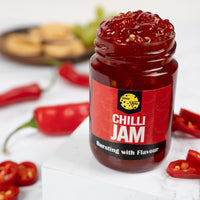
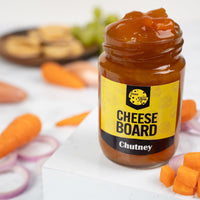
Chutney. The number one cheese accompaniment. A good chutney - caramelised onion, tomato, fig, or spiced apple - brings sweetness, acidity, and depth all at once. Caramelised onion chutney is a near-universal match, while fig chutney is exceptional with blue cheese. Our cheese chutneys are made to pair specifically with cheese, and a single jar transforms a basic plate into a proper board.
Honey. A drizzle of honey is magic with hard and blue cheeses. Try it over a chunk of cheddar or, classically, with Stilton. Honeycomb takes it up a level and looks stunning on a board.
Fruit preserves and jams. Quince paste is a Spanish classic with Manchego. Fig jam, cherry preserve, and damson work beautifully with both hard and soft cheeses.
Dried fruit. Dried apricots, dates, figs, and raisins add concentrated sweetness and a chewy texture that contrasts nicely with crisp crackers. Dates stuffed with a little blue cheese are a brilliant quick canapé.
Savoury & Pickled Accompaniments
These bring the acidity and sharpness that stops a cheese plate feeling heavy.
Pickles and cornichons. Small, sharp cornichons (baby gherkins) are a cheeseboard staple. Their vinegary crunch is the perfect foil for rich, creamy cheese.
Pickled onions. A British pub classic. Sharp, sweet, and crunchy, exactly what a mature cheddar wants alongside it.
Olives. Marinated green or black olives add a salty, briny note. They pair especially well with Mediterranean and hard cheeses.
Sundried tomatoes. Rich and tangy, sundried tomatoes work well with soft and fresh cheeses like mozzarella and goat's cheese.
Piccalilli and relishes. A spoonful of piccalilli brings mustard heat and acidity that cuts through even the richest cheese.
Fresh Fruit & Vegetables
Fresh produce adds crunch, colour, and a clean note that resets your palate between bites.
Grapes. The classic. They don't oxidise, they look great, and they pair with almost any cheese. Red and green both work.
Apples and pears. Crisp apple slices are wonderful with cheddar and blue cheese. Pears are softer and pair beautifully with Brie and Gorgonzola. Brush cut fruit with a little lemon juice to stop it browning.
Celery. Cheese and celery is a traditional British pairing, the cool, watery crunch is a natural match for strong cheddar and Stilton.
Figs. Fresh figs, halved, are one of the most luxurious cheeseboard additions. Their honeyed sweetness is superb with blue cheese and goat's cheese.
Charcuterie & Meats
If you want to turn cheese and crackers into a proper meal, add cured meat. This is also the answer to the common question of what meat goes well with cheese and crackers.
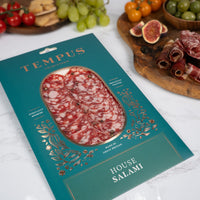
Salami. Milano, fennel, or a British-made salami adds a savoury, fatty richness that works with almost any cheese.
Prosciutto and cured ham. Thin, delicate slices of prosciutto or air-dried ham drape beautifully and pair with both hard and soft cheeses.
Chorizo. Sliced cured chorizo brings a paprika-spiced kick that's great alongside milder cheeses.
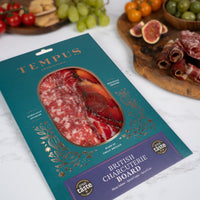
Our charcuterie range includes British cured meats that pair perfectly with cheese. If you want the full spread, our guide to making a charcuterie board walks you through building a complete meat and cheese board.
Nuts & Extras
The finishing touches that fill the gaps and add crunch.
Nuts. Walnuts, almonds, and pecans are the classic choices. Candied or spiced nuts add an extra dimension. Marcona almonds are particularly good with hard cheeses.
Breadsticks and oatcakes. Beyond crackers, breadsticks (grissini) and oatcakes give you variety in texture. Oatcakes are especially good with crumbly cheeses and blue.
Dark chocolate. A square or two of good dark chocolate alongside a strong cheese is an underrated pairing worth trying.
Which Crackers Go Best with Cheese?
The cracker matters more than people think. It's the vehicle for the cheese, so it should support the flavour rather than overpower it.
Plain water biscuits. Neutral and crisp, water biscuits let the cheese take centre stage. A safe, classic choice for any cheese.
Oatcakes. Nutty and hearty, oatcakes stand up well to strong cheddars and crumbly blues. A Scottish tradition for good reason.
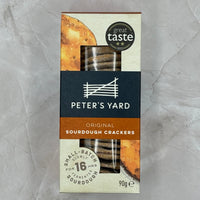
Sourdough and artisan crackers. Crackers with a bit of flavour - sourdough, rosemary, seeded - add character and work well with milder cheeses that can take the extra flavour.
Charcoal and fruit crackers. Crackers studded with fruit (fig and walnut, cranberry) are wonderful with blue cheese and add a touch of the special.
As a rule, match the intensity: plain crackers for delicate cheeses, more characterful crackers for stronger ones. Our cracker range covers all these styles - a mixed selection is the easiest way to make sure every cheese has its ideal partner.
If you'd rather not source everything separately, our cheese selection boxes and cheese hampers bundle cheese, crackers, chutney, and accompaniments together - everything you need for a complete cheese and cracker spread in one delivery.
What to Drink with Cheese and Crackers
The right drink completes the experience. Here's a quick steer:
Wine. Red wine with hard cheeses, white or sparkling with soft and fresh cheeses, and sweet wine or Port with blue cheese. Our full wine and cheese pairing guide breaks this down cheese by cheese.
Beer. A pale ale works with salami and hard cheese; a porter or stout is superb with strong cheddar and blue.
Non-alcoholic. Sparkling elderflower, apple juice, or a good tonic water all pair nicely with the savoury-sweet balance of a cheese plate.
How to Elevate Cheese and Crackers (The 3-3-3 Rule)
If you want a simple framework for putting together an impressive spread, use the 3-3-3 rule: three cheeses, three accompaniments, three "extras" (crackers, fruit, or nuts).
Pick three cheeses with variety - one hard (cheddar), one soft (Brie), one blue (Stilton). Add three accompaniments that balance sweet and sharp - a chutney, some cornichons, a handful of grapes. Then three extras for texture - two types of cracker and some nuts. That's a balanced, generous board without overthinking it.
A few final tips to elevate any cheese and cracker plate: serve the cheese at room temperature (take it out of the fridge 30–60 minutes before), give each cheese its own knife so flavours don't mingle, and arrange things generously rather than sparsely - abundance is what makes a board look inviting. For storing any leftovers, see our guide to how long cheese lasts in the fridge.