
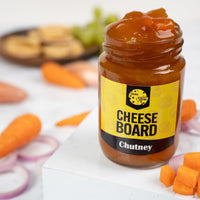


Britain makes more than 700 named cheeses, according to the British Cheese Board, which is a lot more than the cheddar-and-Stilton reputation suggests. From crumbly Lancashire to nettle-wrapped Cornish Yarg, British cheese is one of the most varied cheese traditions in the world, and many of the classics have been made in the same regions for centuries.
This guide covers the great British cheeses, the regional ones protected by law, a little of our own county’s cheese history here in Shropshire, and how to build a cheeseboard that’s British from end to end.
The Great British Cheeses
These are the cheeses most people think of as classically British, and the ones that belong on any British cheeseboard.
Cheddar
Britain’s most popular cheese, and the most copied cheese in the world. It takes its name from the village of Cheddar in Somerset, where it was aged in the caves of Cheddar Gorge. Because the name ‘cheddar’ itself isn’t protected, it’s now made everywhere from Scotland to New Zealand, but traditionally made West Country Farmhouse Cheddar has protected status. Cheddar ranges from mild and creamy to vintage and crystalline; our guide to mild vs mature vs extra mature cheddar explains the differences.
Stilton
The ‘King of English Cheeses’. Blue Stilton has protected status and can only be made in three counties: Derbyshire, Leicestershire and Nottinghamshire, using local pasteurised milk. In a famous quirk, that means it can’t be made in the village of Stilton itself, which is in Cambridgeshire. It’s the classic Christmas cheese, traditionally served with Port.
Red Leicester
A firm, nutty, slightly sweet cheese from Leicestershire, instantly recognisable by its deep orange colour, which comes from annatto, a natural plant-based colouring. It’s milder than a mature cheddar and melts beautifully.
Double Gloucester
A smooth, buttery cheese from Gloucestershire with a mellow flavour and a pale orange colour. It’s the cheese at the centre of the famous Cooper’s Hill cheese-rolling race.
Cheshire
One of the oldest recorded named cheeses in British history. It’s a crumbly, salty, slightly tangy cheese, and it remains the UK’s best-selling crumbly cheese. Despite the name, it’s made in Cheshire and several neighbouring counties, including Shropshire. It comes in white, red (coloured with annatto) and blue versions.
Wensleydale
A crumbly, fresh, mildly sweet cheese from the Yorkshire Dales, famously paired with fruit cake in the North and with cranberries at Christmas. Yorkshire Wensleydale has protected status.
Lancashire
Comes in two main styles: creamy and buttery, or sharp and crumbly (‘Crumbly Lancashire’). Beacon Fell Traditional Lancashire has protected status. It’s an excellent melting cheese and makes some of the best cheese on toast there is.
Caerphilly
A mild, slightly salty, crumbly cheese from Wales, originally made as a lunch for miners. Traditional Welsh Caerphilly has protected status.
Cornish Yarg
A semi-hard cheese from Cornwall, wrapped in nettle leaves that form a striking lacy rind as it ages. Fresh, lemony and creamy under the rind.
| Cheese | Region | Style | Try it with |
|---|---|---|---|
| Cheddar | Somerset (now made UK-wide) | Hard, mild to vintage | Apple chutney, crusty bread |
| Stilton | Derbyshire, Leics, Notts | Blue, rich, tangy | Port, fig chutney, celery |
| Red Leicester | Leicestershire | Firm, nutty, orange | Pickles, cheese on toast |
| Double Gloucester | Gloucestershire | Smooth, buttery | Onion chutney, crackers |
| Cheshire | Cheshire and Shropshire | Crumbly, salty | Apple, cranberry |
| Wensleydale | Yorkshire | Crumbly, fresh | Fruit cake, cranberry |
| Lancashire | Lancashire | Creamy or crumbly | Melted, with pickled onions |
| Caerphilly | Wales | Crumbly, mild, salty | Leeks, apple |
| Cornish Yarg | Cornwall | Semi-hard, nettle rind | Crisp white wine |
Protected British Cheeses
Some British cheeses carry legal protection, meaning they can only be made in a defined area using traditional methods. They’re marked as Protected Designation of Origin (PDO) or Protected Geographical Indication (PGI). Examples include:
West Country Farmhouse Cheddar (PDO), Blue Stilton and White Stilton (PDO), Beacon Fell Traditional Lancashire (PDO), Single Gloucester (PDO), Yorkshire Wensleydale (PGI), Traditional Welsh Caerphilly (PGI) and Orkney Scottish Island Cheddar (PGI).
Protected status is a mark of authenticity and regional tradition, though plenty of excellent British cheeses sit outside the scheme.
Shropshire’s Cheese Story
As a Shrewsbury-based company, we have a soft spot for our county’s cheese history, and it’s more interesting than you might expect.
Shropshire Blue (Which Isn’t Quite From Shropshire)
Shropshire Blue is a striking orange blue cheese, essentially a Stilton-style cheese coloured with annatto, and sits somewhere between Stilton and Cheshire in character. Its origins are disputed. Some accounts credit Dennis Biggins, a cheese factor based in Whitchurch, Shropshire. Most, however, trace it to the 1970s at the Castle Stuart dairy near Inverness in Scotland, where it was first sold as ‘Inverness-shire Blue’ or ‘Blue Stuart’ before being renamed Shropshire Blue to help it sell.
Today it’s mostly made by Stilton producers in Nottinghamshire and Leicestershire, though a Shropshire-made version, Ludlow Blue, has been produced in the county by the Ludlow Food Centre. Whichever story you believe, it’s a superb cheese for a board: creamy, sharp and a little milder than Stilton.
Cheshire Cheese, Made in Shropshire
Cheshire cheese is traditionally made across Cheshire and its neighbouring counties, and north Shropshire has a long history of producing it. Several Shropshire dairies have made traditional Cheshire for generations, including cloth-bound versions made the old-fashioned way.
Lymeswold: The ‘New’ English Cheese
In 1982, a soft, mild blue cheese called Lymeswold was launched to great fanfare as ‘the first new English cheese in 200 years’. It was developed at Crudgington creamery in Shropshire. It didn’t last (production ended in 1992), but it’s a fun footnote in British cheese history.
Shropshire Red
Shropshire Red is a firm, full-flavoured red cheese in the Red Leicester and cheddar tradition, with a rich colour and a strong, savoury taste. Our Shropshire Red wedge is one of the flavours in our cheese wedge range, and a natural pick if you’re building a board with a local flavour.
Scottish and Welsh Cheese
Scotland and Wales have their own strong cheese traditions. Scottish cheese includes island cheddars from Orkney and the Isle of Mull, Dunlop (a mild, cheddar-like cheese from Ayrshire), and Caboc, a rich cream cheese rolled in toasted oatmeal that’s often described as Scotland’s oldest cheese. Welsh cheese includes Caerphilly and a growing number of modern farmhouse cheeses, as well as flavoured cheddars made with Welsh ale and mustard.
Modern British Cheese: Flavoured Cheddar
One of the biggest changes in British cheese over the last few decades has been the rise of flavoured cheddars, where traditional cheese is blended with other ingredients for something new. It’s a very British innovation and the speciality of our range. Our wedges include classic Vintage Cheddar alongside flavours such as Smoky Oak, Cider & Apple, Mustard & Ale, Figs & Honey, Black Truffle and our jet-black Coal Me Cheddar.
Build your own British selection: Our 10 Cheese Wedges box lets you pick any ten flavours from the range, or browse all our cheese wedges and traditional waxed truckles.
How to Build a British Cheeseboard
A great British cheeseboard needs variety in texture and strength. A simple formula:
A hard cheese: mature or vintage cheddar. A crumbly cheese: Cheshire, Lancashire or Wensleydale. A blue: Stilton or Shropshire Blue. A wildcard: Cornish Yarg, a flavoured cheddar, or a local cheese like Shropshire Red.
Serve with British accompaniments: an apple or onion chutney, a spoonful of piccalilli, pickled onions, celery, apples, oatcakes and sourdough crackers. Our guide to what chutney goes with cheese matches chutneys to each style, and for the ultimate British way to eat cheese, see our ploughman’s lunch guide. To drink: Port with the Stilton, a good ale or cider with the cheddar, or see our wine and cheese pairing guide.
Frequently Asked Questions
What is the most popular cheese in Britain?
Cheddar is by far Britain’s most popular cheese, eaten in everything from sandwiches to cheese sauce.
How many British cheeses are there?
The British Cheese Board has said there are more than 700 named British cheeses produced in the UK.
Can Stilton be made in Stilton?
No. Blue Stilton has protected status and can only be made in Derbyshire, Leicestershire and Nottinghamshire. The village of Stilton is in Cambridgeshire, so cheese made there can’t legally be called Stilton.
Is Shropshire Blue from Shropshire?
Not really. Its origins are disputed, but most accounts trace it to the Castle Stuart dairy near Inverness in the 1970s, where it was renamed Shropshire Blue to help it sell. Today it’s mainly made in Nottinghamshire and Leicestershire.
What are the best British cheeses for a cheeseboard?
A mature cheddar, a crumbly Cheshire or Wensleydale, a Stilton or Shropshire Blue, and one wildcard such as Cornish Yarg or a flavoured cheddar gives you a balanced British board.
Is cheddar a protected cheese?
The name ‘cheddar’ isn’t protected and can be made anywhere. However, West Country Farmhouse Cheddar, made in Somerset, Devon, Dorset and Cornwall using traditional methods, has protected status.
What is the oldest British cheese?
Cheshire is often described as one of the oldest recorded named cheeses in British history. In Scotland, Caboc is frequently cited as the country’s oldest cheese.