
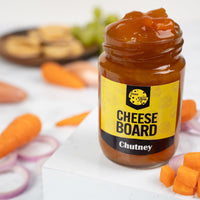


British cheese includes sharp Cheddar, blue-veined Stilton, mellow Red Leicester and crumbly Wensleydale, alongside a wide range of soft, fresh and flavoured cheeses. The easiest way to explore it is to start with the flavours you enjoy, then try a different texture or a new regional style.
If you like a bold, tangy cheese, start with Cheddar. Prefer something gentler? Try Red Leicester or Double Gloucester. For a fresher, crumbly bite, look to Cheshire, Wensleydale or Caerphilly.
Here is our guide to nine British cheese types, what makes them different and how to choose a selection you will enjoy eating.
British cheese types at a glance
These are broad descriptions: the maker, recipe and maturity all influence the finished cheese. Regional names describe a style’s heritage, but do not always tell you where a particular cheese was made.
| Cheese | Flavour and texture | Choose it if you enjoy… |
|---|---|---|
| Cheddar | Firm; mild to sharp and savoury | A familiar cheese with a choice of strengths |
| Stilton | Blue-veined; crumbly to creamy, depending on maturity | A blue cheese with plenty of character |
| Red Leicester | Firm, mellow and nutty | A gentler savoury bite |
| Wensleydale | Often crumbly, mild and slightly sweet | A lighter-tasting contrast on the board |
| Cheshire | Crumbly, milky and tangy | A fresh-tasting cheese to break into pieces |
| Lancashire | Creamy, Tasty or Crumbly styles | Exploring different versions of one cheese |
| Double Gloucester | Firm, close-textured and buttery | Mellow richness |
| Caerphilly | Fresh, flaky and gently lemony | A mild cheese with a little tang |
| Traditional Ayrshire Dunlop | Firm, smooth and nutty | Trying a Scottish cheese beyond Cheddar |
Nine British cheeses to get to know
Many familiar regional cheeses are known as territorial cheeses. The Academy of Cheese’s heritage project records the traditions behind these names. You do not need to learn the terminology to enjoy them, but knowing the differences makes shopping easier.
1. Cheddar: a versatile place to start
Cheddar takes its name from the Somerset village, although the style is now made far beyond Britain. It ranges from mild cheeses to more mature examples with a pronounced savoury tang. If you have only tried one version, there is plenty more to discover.
For a bolder starting point, try our Vintage Cheddar. This English Cheddar has a tangy flavour and a creamy body, in a 100g wedge that is easy to include in a mixed selection.
Try a piece on its own before adding crackers or chutney. Then compare it with something milder to work out whether you prefer sharpness, creaminess or a balance of both.
2. Stilton: the classic blue
Blue Stilton brings blue-green veining and a distinctive flavour to a cheeseboard. Its texture and strength change with maturity: some examples are more crumbly, while others become softer and creamier.
Stilton is made from pasteurised cows’ milk within the permitted counties of Leicestershire, Derbyshire and Nottinghamshire. The name has protected status, so it refers to more than the appearance of the cheese.
Choose it when you want a blue alongside your hard cheeses. White Stilton is a different option, without the blue veining, so check which one you are buying.
3. Red Leicester: mellow and nutty
Red Leicester is a firm cheese associated with Leicestershire. Its characteristic orange colour comes from annatto, a plant-derived colouring. Expect a mellow, nutty character, with differences in texture and intensity between makers and ages.
Our The Red One is a Red Leicester with a subtle nutty flavour and a smooth, creamy texture. Try it on a fresh baguette or melted on toast, or serve it beside Vintage Cheddar for a simple comparison.
4. Wensleydale: more than a cheese with fruit
Wensleydale is associated with the Yorkshire Dales. Many versions are crumbly and mild, but farmhouse examples can be softer and more buttery. The protected Yorkshire Wensleydale specification describes a slightly sweet flavour that becomes fuller with age.
It is worth trying a plain version as well as a fruit blend. That gives you a chance to taste the cheese itself before deciding how much sweetness you want with it.
Also check the base cheese when shopping: a cheese containing cranberries is not automatically Wensleydale. The name on the label matters.
5. Cheshire: fresh and crumbly
Cheshire offers a milky flavour, a little acidity and a crumbly texture. It is a useful choice when you fancy something less dense than a firm Cheddar.
Try breaking it into pieces over a salad, or put it on a plate with bread for a simple lunch. On a cheeseboard, choose it for its fresh character rather than expecting the same concentrated flavour as a long-matured cheese.
6. Lancashire: check the style
Lancashire comes in Creamy, Tasty and Crumbly styles. Creamy Lancashire is buttery; Tasty develops more pronounced savoury flavours. Crumbly is the younger, more acidic option.
Those names are useful shopping clues. Try Creamy when you want a gentler bite, or Tasty if you prefer more intensity. Buying two styles makes an interesting little tasting without having to assemble a large board.
7. Double Gloucester: buttery and mellow
Double Gloucester has a firm, close texture and a mellow, buttery flavour. More mature versions can develop a stronger savoury character.
Choose it if you want richness without making blue cheese or sharp Cheddar the centre of the board. It is also worth comparing with Red Leicester: a similar colour does not mean the cheeses will taste or feel the same.
8. Caerphilly: a Welsh tradition
Caerphilly is known for a fresh, gently lemony flavour and a flaky texture. Young versions offer a mild bite, while maturation can bring a fuller flavour.
If you specifically want the protected Welsh product, look for the full name Traditional Welsh Caerphilly or Traditional Welsh Caerffili. It is made in Wales using milk from Welsh farms. The shorter style name alone does not give you the same assurance.
9. Traditional Ayrshire Dunlop: a Scottish cheese to explore
Traditional Ayrshire Dunlop is a hard cheese made from Ayrshire cows’ milk in the defined area around Dunlop in Scotland. It has a smooth texture and a nutty flavour that develops as it matures.
If firm cheeses are your usual choice, put it on your list to try. Compare it with Cheddar and pay attention to the texture as well as the strength: discovering a favourite is not always about choosing the sharpest cheese.
British cheese goes beyond the traditional names
Regional hard and crumbly cheeses are only part of the picture. Britain also produces fresh cheeses, soft Brie-style cheeses, washed-rind cheeses and a variety of blues. Great British Chefs’ guide to British cheese varieties explains these broader categories.
Flavoured cheeses offer another way to explore. Our Smoky Oak combines Cheddar smoked over applewood chips with a touch of paprika. If you prefer a fruity contrast, try our Cranberry Cheddar, which pairs mature Cheddar with sweet cranberries.
A flavoured Cheddar is still a variation on Cheddar, so think about the base cheese as well as the added ingredients. For a tasting, try a plain version first, then a smoky or fruity one.
What do protected cheese names tell you?
Some British cheese names have geographical protection. PDO means Protected Designation of Origin; PGI means Protected Geographical Indication. Both have specifications defining the product and its link to a place.
The official register of protected cheese names includes Stilton and West Country Farmhouse Cheddar as PDOs, and Yorkshire Wensleydale and Traditional Ayrshire Dunlop as PGIs.
For shopping, the useful distinction is between a general style and its full protected name. “Cheddar” alone does not mean West Country Farmhouse Cheddar. If origin matters to your purchase, read the producer and origin information as well as the name on the front.
How to choose British cheese for your board
Start with what you enjoy, then add contrast. Here are three ways to build a selection:
- For familiar flavours: choose Cheddar and Red Leicester, then add a crumbly cheese such as Cheshire.
- For a wider tasting: choose one firm cheese, one crumbly cheese and one blue. Cheddar, Wensleydale and Stilton give you three different styles to explore.
- For a Cheddar fan: compare a plain mature cheese with a smoked version and a fruit blend.
There is no need to include a cheese you know nobody likes simply to complete a checklist. If blue cheese divides your guests, offer it separately or choose another style.
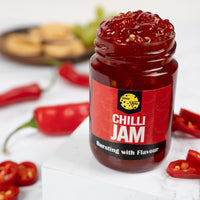
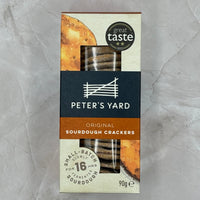
Keep the accompaniments simple for the first few bites. Choose some crackers for cheese and put chutney in a separate dish so everyone can decide how much to add. Taste each cheese on its own before building your favourite combination.
Find your next favourite cheese
Start with a favourite and make room for something new. Explore our cheese wedges to choose your own combination, or try The Cheese Lover’s Box for a selection from our range, with ten 100g wedges and three chutneys. Flavours may vary.